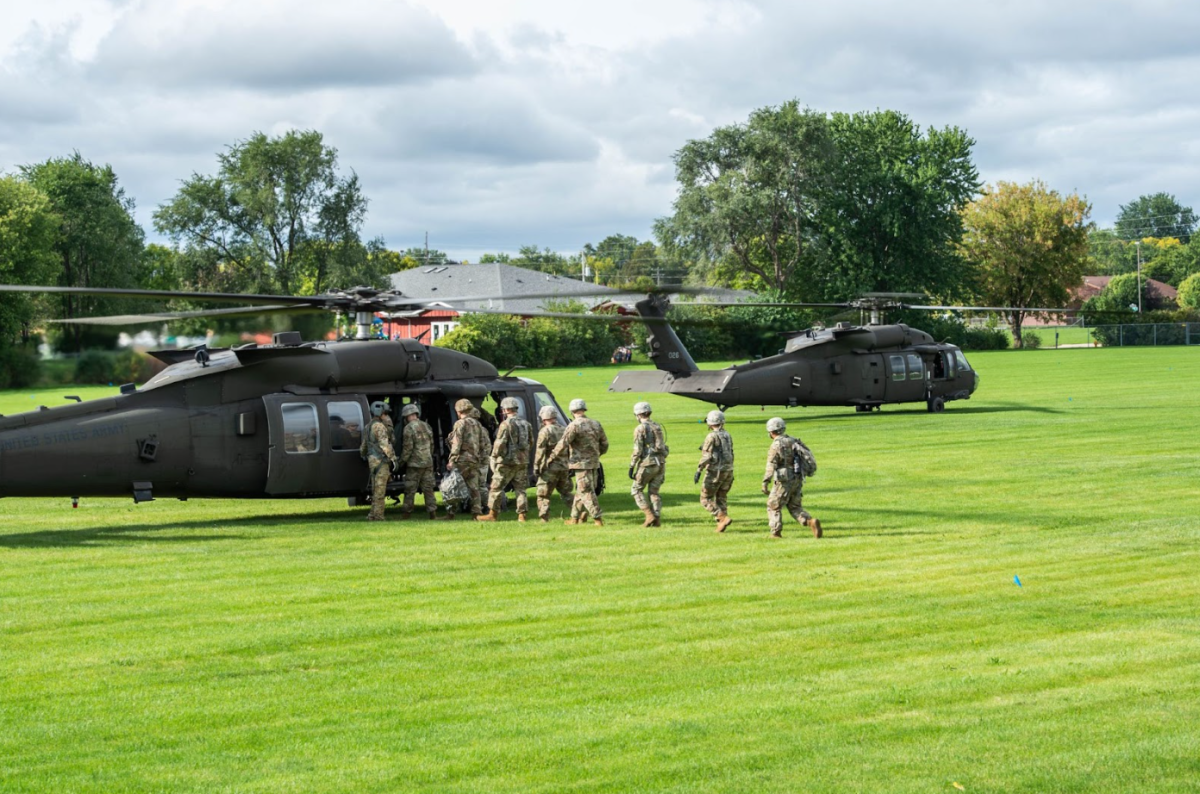
In 2025, Oshkosh Defense secured over $380 million in contracts from the U.S. Army and Air Force, including $214.7 million for 240 Medium Tactical Vehicles and $167 million for 225 trucks and 54 trailers under the Family of Heavy Tactical Vehicles program. These deals aim to modernize America’s fleet, enhance tactical mobility and strengthen homeland defense. Yet the question remains: at what cost?
Defense modernization is undeniably important. A military that cannot move quickly or adapt to new threats risks falling behind. Oshkosh’s trucks, some autonomous‑ready, represent cutting‑edge technology and provide jobs in Wisconsin’s manufacturing sector. But while these contracts stimulate a narrow slice of the economy, they also divert billions from urgent domestic needs.
Imagine channeling even a fraction of this spending into education, housing or green infrastructure. For instance, $1.5 billion could fund more than 30,000 full‑ride college scholarships or build thousands of affordable housing units. Investments in clean energy or healthcare would ripple across communities, creating broader, more sustainable growth than defense contracts concentrated in a handful of firms.
The danger lies in allowing defense spending to dominate our economic priorities. A militarized economy risks sidelining innovation that serves public welfare. It reinforces inequality by funneling wealth into defense contractors while leaving schools underfunded and housing unaffordable. In an era of climate urgency and rising inequality, armored trucks may not be the wisest investment.
This is not an argument against defense. National security matters. But balance matters too. Redirecting even part of these funds could empower communities, reduce long‑term costs and build resilience against challenges that no fleet of tactical vehicles can solve.
America must ask itself: Do we want to be remembered for our armored trucks or for the futures we built when we chose to invest in people?